
「地のものを愛す」ことから始まる思考の整え方
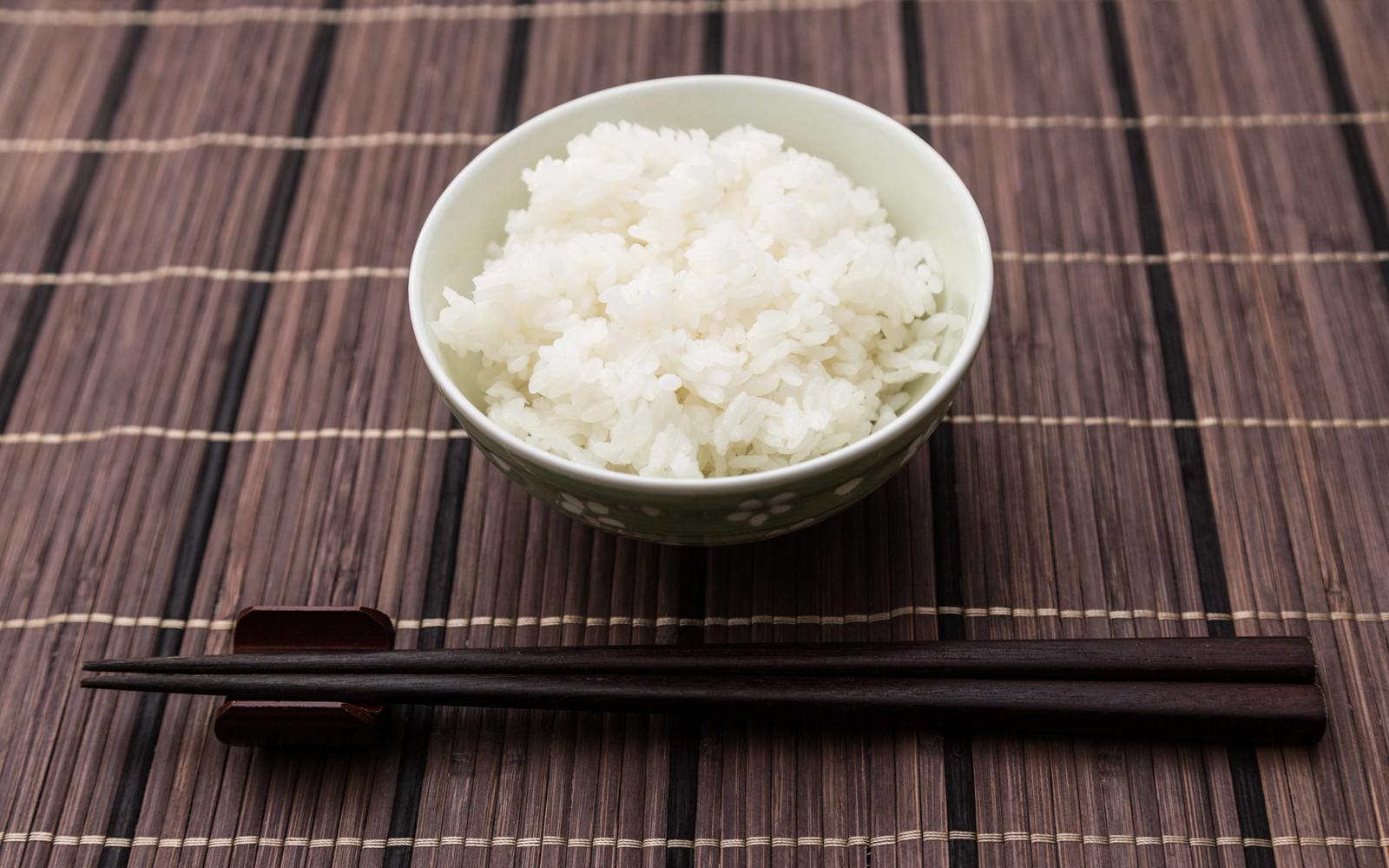
When you think of Japanese people, you think of "rice."
When people move abroad, they often say things like "foreign rice smells bad" or "tastes bad." However, in Malaysia, I actually think the rice itself is much tastier than Japanese rice.
And it's incredibly cheap! (Even Japanese varieties cost about 1200 yen for 5kg, including delivery.)
That being said, I often find myself thinking "hmm?" about the white rice served at restaurants, and the rice in convenience store onigiri is so dry it's honestly unbearable. But... the white rice I cook at home is incredibly delicious.
I have a pretty sensitive palate, so I activated my inner "Why-Why-Why Child" and thoroughly investigated, "Why is Japanese rice so different?" 👍
The Cause of Rice Odor and My Household's "Garlic Supremacy"
As a result of my investigation, the causes of rice odor can generally be attributed to these four factors.
- Stale Rice Smell (Old Rice Smell): Deterioration of lipids (similar to aging odor).
- Oxidation Odor: Deterioration of carbohydrates (oily or a unique dusty smell).
- Aroma Components: Unique scents common in jasmine rice, etc.
- Oxidation During Import: Rice that travels across the sea from Japan has undergone fumigation (pesticides to kill insects) and passed through deworming agents, so it's actually quite oxidized.
Online remedies suggest "adding vinegar," "adding sake," or "adding lemon," but I'm all about garlic!!
In Malaysia, it's quite common for purchased rice to have weevils. Locals often put garlic, cloves, and chili peppers in their rice containers as a countermeasure. Garlic is universally known as a versatile natural disinfectant, antibacterial agent, and health booster. 👍
In my house, we're always having a "Spring Garlic & Ginger Festival" (lol). Even if the rice has a milky fermented smell, if you wash it vigorously with water and stir-fry it with garlic, "Presto! It's incredibly delicious and won't upset your stomach!"
(※ Good kids, please don't try this at home 👍)
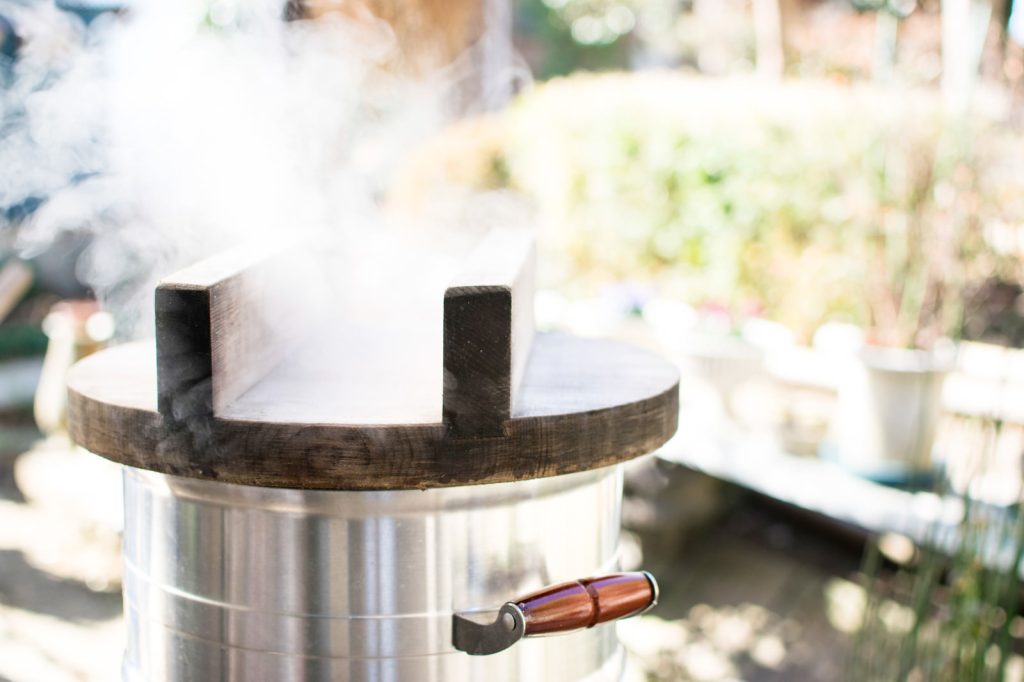
Obsession with Tools: Two per Household! You Should Buy a Stainless Steel Pressure Cooker
If you want to eat delicious rice in Malaysia, a "pressure cooker" is the way to go, not a rice cooker!
The rice cooked in the Airbnb rice cooker was truly awful, but it transforms completely when cooked in a stainless steel (SS304) pressure cooker.
My pressure cooker, which I bought with trembling hands from a "cool older store clerk" (about 5,400 yen at the time, a fortune for my broke self!), was absolutely the right decision.
- When washing rice: Use filtered water and wash it as if you have a lifelong grudge!
- 炊く時:水にちょっとの海塩と酒を入れるとツヤツヤ!昆布を入れるとミネラル補給もできて激ウマ!
昼まで放置して熟成(意味深)されたお米も、大量のニンニクと炒めてチャーハンにすれば消毒完了🫠基本は炊いたお米は、粗熱を取ってタッパーにニンニク1かけ皮を剥いてぶっこんで冷蔵庫へ入れれば完璧!
虫がつくのは「自然でおいしい」証拠
日本の農薬祭りで虫も近づかないコメよりも、虫がつくお米の方が断然ノーストレスでナチュラルで美味しい。
「虫のうんこが〜」とか言う人もいるけど、極論言えば牛のうんこで作った野菜の方が美味いじゃん? 個人的には防虫剤や消毒液を飲むくらいなら、虫のうんこ食う方がマシ!なんかあっても1〜2日お腹壊すだけやーん?
(気になる人は高額払って真空パック買うか、日本へお帰りなさい👍)
ちなみに、私が愛用しているのはマレーシア産のコシヒカリ(ジャポニカ米)。 日本の米みたいにねちょらず、1粒1粒が自然を生き抜いてきた粒立ちの「本当のコメの味」がするの。(本当の米ってなんだか知らんけど(笑))
因みに農薬を使ってないわけではない。でもハラルに厳しい国だからこそ、『体に悪いものは当たり前に入れない・食べない』が基本で、ある意味常識。日本とは違う「当たり前」があるって意味では信頼してる。
マレーシアのコメ、本当にうまいよ!
「郷に従う」のではなく「地のものを面白がる」
米ひとつとってもそうだけど、ここはMalaysia。 日本の基準をそのまま持ち込んで「ああじゃない、こうじゃない」とこだわりすぎても、ストレスでハゲて白髪が増えるだけ。
「郷に入っては郷に従え」というよりは、「地のものをおいしく楽しく食べようぜぃ」というスタンスでいた方が、よっぽど人生ハッピー!
知らないことがあるなら、現地の人に聞いてみればいい。 現地の事は現地の人が一番よく知っている。
テスト万年最下位だった私の英語力は異次元レベルで低い(超ヘタクソ)けれど、コミュニケーションで大事なのは英語の正しさじゃない。表情・姿勢・笑顔・感謝!これさえあれば言葉の壁なんて越えられる。
「神様が見ている」国の優しさと、心地よい適当さ
かつて、スーパーで「塩(salt)」が見つからなくて、通りすがりのマダムにGoogle翻訳を見せて一緒に探してもらったことがある。
結局見つからなくて、2人で「nothing…no…WHY??」って爆笑し合ったんだけど(笑)、それだけで最高のコミュニケーションじゃん?
日本みたいに「知ってて当たり前」「教えるのが当たり前」じゃなくて、『その場で、出来る人が、出来る事をする』それでいいじゃん。
マレーシアにはマレー系・中華系・インド系と色んな人がいて、制度上の不平等もある。でも、イスラム教の「貧しい人や弱者を助けるのが徳」「富を分配するのが義務」という教えのもと、みんなが助け合って生きている。
- 日本=「他人が見ている」ことを前提としたルールで秩序を保つ
- マレーシア=「神様が見ている」ことを前提とした宗教・寛容さで秩序を保つ
どっちが正しいとかじゃない。 ただ、「誰も見ていないところ」でどう振る舞うか?そう考えた時、マレーシアの人々の温かさや優しさがすごく理解できるんだよね。
完璧を求めず、目の前の「違い」を面白がり、地元の人と笑い合う。 この思考の柔らかさこそが、海外でも、日本でも、ストレスフリーに健康で生き抜く最大のコツなのだ!

補足:BINBO-SHO-のリアル買い物事情(おまけ
私がマレーシアで買った4,000円以上の高額商品は……
- 圧力鍋(約6,000円)
- 電気バイク(約32,000円)
- 風呂おけ(約8000円)
- バイクの新品バッテリー(約10,400円)
以上!!!!( ´∀` )
家具付き物件だからハンガーも皿も買ってない!最高!
I am KECHI💗
I love KECHI💗
(※ただし電気代だけはバチくそ高い👍)
みんなも、余計なストレスは削ぎ落として、ニンニク食べて心身消毒して生きていきましょー!
I don’t know you, but I love your smile💗
Thank you👍びぇびぇ


No responses yet